If you want the perfect espresso, getting your coffee grind size just right is key. Too coarse, and your shot will taste weak and watery.
Too fine, and it could end up bitter and over-extracted. But how do you find the sweet spot? You’ll discover exactly how grind size impacts your espresso’s flavor and how to adjust it to match your taste. Stick with me, and you’ll be pulling richer, smoother shots that keep you coming back for more.

Credit: truegrindcoffee.com
Why Grind Size Matters
Grind size is a key factor that directly affects your espresso shot. It controls how water interacts with the coffee grounds during brewing. Getting this right can mean the difference between a balanced, rich espresso and a bitter, disappointing one.
Impact On Extraction
The grind size determines how fast water passes through your coffee. A finer grind slows down the water, allowing more flavor to be extracted. If the grind is too fine, though, your espresso may taste bitter because of over-extraction.
On the other hand, a coarser grind speeds up water flow, which can cause under-extraction. This leads to weak, sour flavors that leave your espresso lacking depth. Have you noticed how adjusting grind size can make your shot taste completely different? That’s the power of extraction control.
Flavor And Aroma Effects
Your coffee’s aroma and taste rely heavily on grind size. Finer grounds expose more surface area, releasing more oils and aromatic compounds. This can give you a richer and more intense flavor experience.
But if the grind is inconsistent or too coarse, those wonderful aromas can be lost. You might end up with a flat or dull espresso that doesn’t excite your senses. How often do you adjust your grind to match the coffee beans you use?
Consistency And Quality
Consistency in grind size leads to consistent espresso quality. When grounds are uniform, water flows evenly through the puck, extracting flavors evenly. This helps you avoid bitter spots or weak areas in your shot.
Using a reliable grinder that produces even particle size can improve your daily espresso results dramatically. If you’re serious about quality, paying attention to grind size consistency is a simple but effective step. Are you ready to take control over your espresso’s quality by mastering grind size?
Ideal Grind Size For Espresso
Choosing the right grind size is key for making great espresso. The grind size affects how water flows through coffee grounds. It changes the taste, strength, and crema of your espresso. Too coarse or too fine can cause problems. Finding the ideal grind size helps balance flavor and extraction time. This guide explains the best grind sizes for espresso and how to adjust them.
Fine Vs Extra Fine
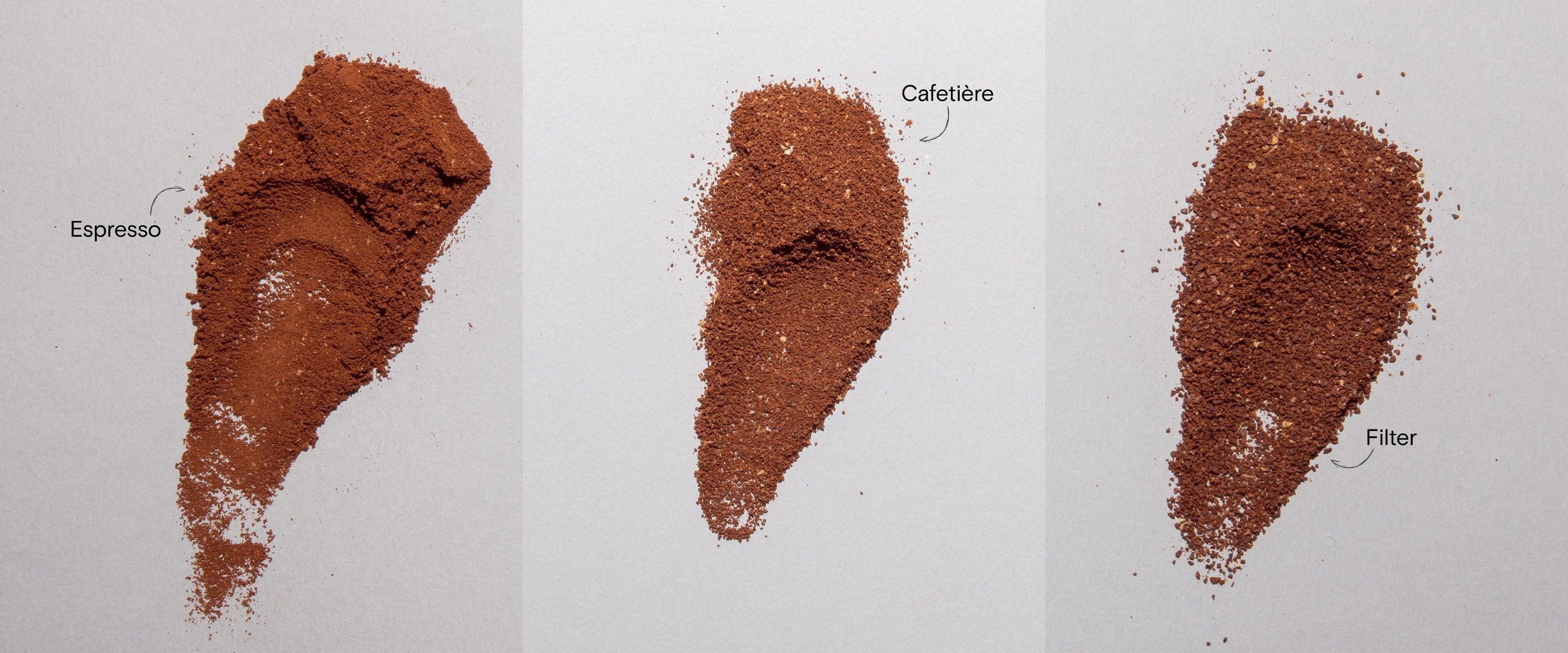
Espresso needs a fine grind, but there are small differences. Fine grind looks like table salt. It allows water to pass slowly, making a balanced shot. Extra fine grind is closer to powdered sugar. It slows water even more, creating a richer taste but may cause bitterness if too fine. Most espresso machines work well with fine grind. Use extra fine only for special machines or dark roasts.
Texture Comparison
Fine grind feels gritty but soft. You can see small grains easily. Extra fine grind feels smooth and almost powdery. It clumps together more. Texture affects how water touches coffee during brewing. Fine grind gives even extraction and good crema. Extra fine can block water flow, causing over-extraction. Choose texture based on taste preferences and machine type.
Adjusting For Different Machines
Espresso machines vary in pressure and temperature. Some need finer grind to slow water. Others work better with slightly coarser grind to avoid clogging. Manual machines like portafilters often prefer fine grind. Automatic machines may require extra fine for best results. Test small changes in grind size for your machine. Watch extraction time and taste to find the sweet spot.
How To Adjust Grind Size
Adjusting the grind size is key to making great espresso. It controls how fast water flows through the coffee. This affects taste, strength, and balance. Small changes in grind size can change your shot completely.
Start with a medium-fine grind. Watch how the espresso flows and tastes. Use signs in the shot to know if you need to adjust.
Signs Of Over-extraction
Over-extraction happens when water stays too long in coffee. The espresso tastes bitter or burnt. The shot may drip very slowly or not at all. The crema looks dark and thin. These signs mean the grind is too fine. Try making the grind slightly coarser.
Signs Of Under-extraction
Under-extraction happens when water flows too fast. The espresso tastes sour or weak. The shot pours very quickly and is light in color. The crema might be pale and bubbly. These signs mean the grind is too coarse. Make the grind a bit finer.
Tuning For Taste Preferences
Adjust grind size to match your taste. Like a strong, bold espresso? Use a finer grind. Prefer smooth, mild flavors? Choose a coarser grind. Make small changes, test the shot, and repeat. Find the grind size that fits your flavor best.
Choosing The Right Grinder
Choosing the right grinder is key to making great espresso. The grind size affects the flavor and extraction time. A good grinder gives you control and consistency. This section explains different types of grinders and how to keep them in top shape.
Burr Vs Blade Grinders
Burr grinders crush beans between two rough surfaces. They produce uniform particle sizes. This helps water flow evenly through the coffee. Blade grinders chop beans with spinning blades. They create uneven particles. This can cause weak or bitter espresso. Burr grinders are better for espresso brewing.
Grinder Settings And Precision
Espresso needs a very fine and consistent grind. Look for grinders with adjustable settings. Small changes in size make big differences in taste. Good grinders let you fine-tune the grind easily. This precision helps achieve the perfect shot every time.
Maintenance Tips
Clean your grinder regularly to keep it working well. Old coffee oils can build up and affect flavor. Use a brush or cloth to remove grounds from burrs. Avoid water on electric parts. Regular cleaning extends grinder life and improves taste.
Common Mistakes And Fixes
Choosing the right grind size for espresso can be tricky. Many coffee lovers make simple mistakes that affect their brew. Fixing these problems improves taste and consistency. Here are common grind mistakes and how to fix them.
Using Too Coarse Grind
Coarse grind lets water flow too fast through coffee. This causes weak, sour espresso with little crema. To fix this, use a finer grind setting. Adjust your grinder little by little until the espresso tastes balanced and rich.
Using Too Fine Grind
Too fine grind slows water flow too much. This leads to bitter, over-extracted espresso and possible clogging. Fix it by making the grind slightly coarser. Stop once the espresso pours smoothly and tastes smooth, not harsh.
Inconsistent Grinding Issues
Uneven grind size causes uneven extraction. Some coffee will be over-extracted, some under-extracted. This creates a bad, muddy flavor. Clean your grinder regularly and use a quality burr grinder. Check for uniform grind size and adjust settings to get consistent results.

Credit: truegrindcoffee.com
Tips For Consistent Espresso Shots
Consistent espresso shots depend on more than just grind size. Small details can change the taste and quality. Focus on precise steps to get the best results every time. These tips help you brew espresso that tastes great and stays the same with each cup.
Measuring Dose Accurately
Use a digital scale to measure coffee doses. Avoid guessing the amount of grounds. A small change in dose affects the shot’s strength and flavor. Measure the dose before tamping the coffee. Consistent doses lead to balanced espresso shots.
Timing Your Extraction
Set a timer for each espresso shot. The extraction time should be steady, usually 25 to 30 seconds. Too short or too long changes the taste. Watch the flow of the espresso and stop at the right time. Timing controls the coffee’s bitterness and sweetness.
Regular Grinder Calibration
Check your grinder settings often. Grinders wear down and drift over time. Adjust the grind size to keep it consistent. Calibrate before each use or at least once a week. A steady grind size ensures even extraction and better espresso.
Credit: cartwheelcoffee.com
Frequently Asked Questions
What Grind Size Is Best For Espresso Brewing?
A fine grind size is ideal for espresso. It allows water to extract rich flavors quickly. Too coarse or too fine affects taste and shot quality.
How Does Grind Size Affect Espresso Taste?
Grind size controls extraction rate. Finer grinds increase bitterness, while coarser grinds cause sourness. Correct grind balances flavor and crema.
Can I Use Pre-ground Coffee For Espresso?
Pre-ground coffee often isn’t fine enough for espresso. Freshly ground beans ensure consistent size and better flavor in espresso shots.
How To Adjust Grind Size For Espresso Machines?
If espresso is too bitter, try a coarser grind. If it’s sour or weak, grind finer. Adjust in small increments for best results.
Conclusion
Choosing the right coffee grind size affects your espresso’s taste and strength. Fine grounds extract flavors quickly, making a rich shot. Too coarse, and the coffee may taste weak or watery. Experiment with grind sizes to find what suits your taste best.
Remember, small changes can make a big difference in flavor. Enjoy the process and your perfect espresso cup. Keep grinding and tasting!

Hi, I’m Joshua Miller, a U.S.-based food lover, review writer, and Co-founder of KitchenWink.com. I hold a Bachelor of Science in Food Science and Culinary Technology, and for over five years I’ve been testing kitchen gadgets like air fryers, blenders, and other cooking tools.
I’m also a home cook, so every product I review is tried in real kitchens—not just in theory. My reviews are based on real results, simple fixes, and tips that anyone can use. With both formal training and hands-on testing, I make sure my advice is clear, honest, and practical.
My goal is simple: to help home cooks choose the right tools and make cooking easier every day.